The Stretched Counselor
  • Home
  • SELFCARE
    • Physical SelfCare
    • Mental SelfCare >
      • Mindfulness
    • Emotional SelfCare >
      • Your Brain & Stress
    • Spiritual SelfCare
    • Energizing SelfCare
    • Make a Plan
    • HELP beyond SelfCare
    • Stress & Self Care for Educators
  • Mental Health
    • MHFA & Youth MHFA
    • Mental Health Messages >
      • ACEs >
        • 2010 ACEs Study
      • Resilence
      • Suicide Prevention
      • Full Plate-Teachers
      • LBGTQIA+ >
        • LGBTQ+ Online Safety
      • Facebook Posts
  • Presentations
    • Own Mask First
    • Staying Sane
    • Teacher Stress & Mental Health
  • Book Discussions
    • Drive Book Discussion
    • Quiet Book Discussion
  • School Counselor
    • Counselor Blog
    • Guidance >
      • Curriculum >
        • PreK - K
        • Grades 1 - 2
        • Grades 3 - 4
        • Grades 5 - 6 >
          • Your Amazing Brain
        • 8th Grade >
          • Multiple Intelligence
          • College Tours
      • ACP >
        • Career Cruising
      • SEL
    • Mental Health in Schools >
      • TeleMental Health
      • Suicide Prevention for Teens
      • MH Video Clips
      • Compassion Resilience
      • Support in the classroom
    • Links
  • About
    • Contact
    • Radicals & Rebels
Picture
The Suicide Prevention Lifeline provides 24/7, free and confidential support for people in distress, prevention and crisis resources for you or your loved ones.
Picture
Click image to chat with someone using your computer.
Text HOME to 741741 to
connect with a Crisis Counselor Free 24/7 support at your fingertips
US and Canada: text 
741741

Find a Therapist
​near you

Click either of the links below, enter your city or location and find help in your area.
PsychologyToday
GoodTherapy

When SelfCare isn't enough

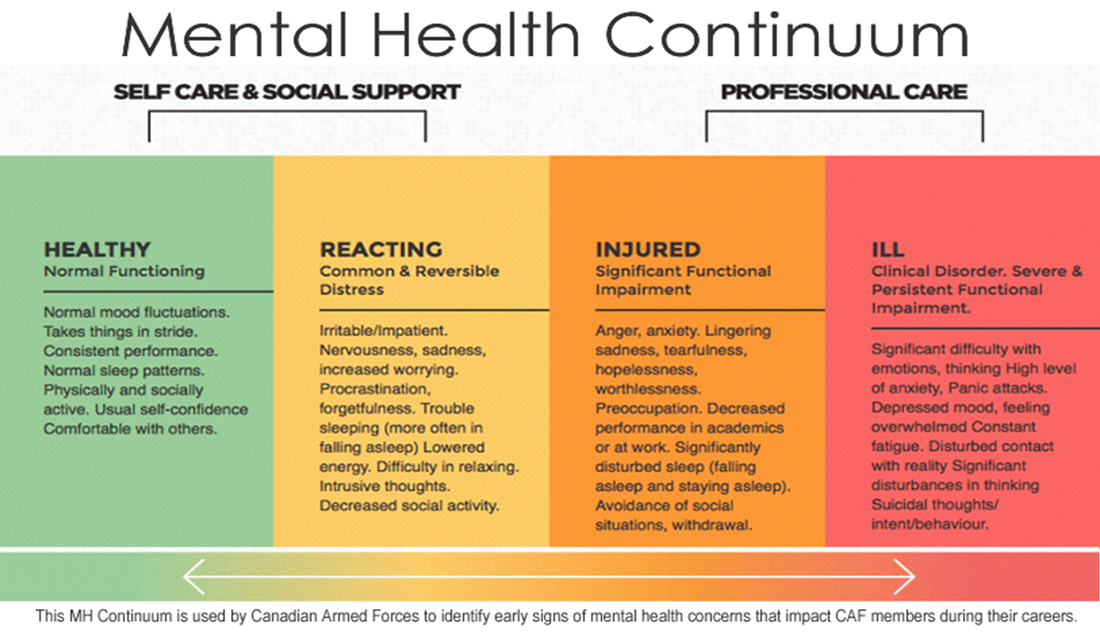
Not all mental health concerns are equal-- some are within our ability to manage, others are not. 
Our mental well-being, like our physical health, is on a continuum.  We use selfcare to stay healthy and normally function well. There are times when we react to stressors but with support and engaging in good practices, we usually bounce back. But there may be other times when we become "injured"-- loss of a job, loved one, or purpose-- when we need help from a professional.  Generally if there's a level of significant functional impairment lasting 3 or more weeks, when mental and emotional concerns are affecting daily life, you might consider getting help. 
Picture

It's okay to ask for help

Counseling has often been misunderstood. Here are a few facts about the counseling:
  • ​​42% of Americans have seen a counselor at some point in their lives.  Just making an appointment with a counselor is confidential, who has or has not talked with a counselor isn't public knowledge, but many people have. 
  • 80% who talk with a counselor experience lasting benefit in 3 to 8 sessions. Two factors here-- the positive return in seeing a counselor is high, and you aren't making a long term commitment. 
  • Your view of counseling is influenced by relationships.  73% of people who would never consider counseling have relatives that share this thought. 
    (Data from: Barna Group, 2018; polled 1,021 Americans
​The bottom line-- more people are talking with a counselor than you might think, counseling has positive results, you're not committed to seeing a counselor indefinitely, and your opinions of counseling might be shaped by those around you. 
More simply-- it is okay to ask for help, others do it, it will likely help, and it won't be forever. 

When to consider getting professional help

When to think about professional help? This advice is from the American Psychiatric Association: 
​
Two general guidelines can be helpful when considering whether you or someone you love could benefit from therapy. First, is the problem distressing? And second, is it interfering with some aspect of life?
When thinking about distress, here are some issues to consider:
  • Do you or someone close to you spend some amount of time every week thinking about the problem?
  • Is the problem embarrassing, to the point that you want to hide from others?
  • Over the past few months, has the problem reduced your quality of life?
When thinking about interference, some other issues may deserve consideration:
  • Does the problem take up considerable time (e.g., more than an hour per day)?
  • Have you curtailed your work or educational ambitions because of the problem?
  • Are you rearranging your lifestyle to accommodate the problem?
A “yes” response to any of these questions suggests that you might wish to consider seeking professional help. Remember that sometimes a problem might be less upsetting to you than it is to the people around you. This does not automatically mean that you are in the know and your friends or family are over-reacting to you. Rather, this situation suggests that you may wish to think about why the people who care about you are upset.  
Link to APA for more information.